10 Tips For Maintaining A Healthy Lifestyle And Body Weight
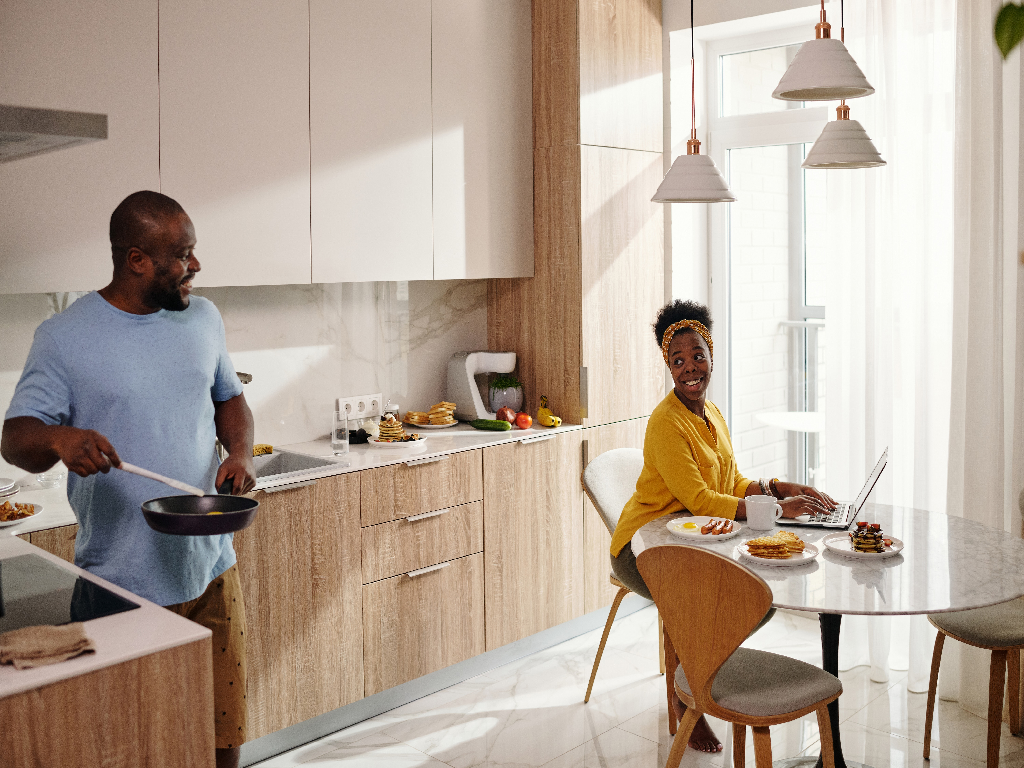
At this extreme moment, we began working from home, away from campus, and keeping social distance from as many people as possible. As we stay home and are stuck with the foods that have been in our fridge or pantry for a while, we are temporarily living a sedentary lifestyle with increased odds of physical inactivity, excessive eating and sitting, stress, anxiety, and depression. In particular, many of us will gain some weight during the pandemic and may keep the extra weight permanently, which may carry considerable health risks for type 2 diabetes, hypertension, heart attack, stroke, and other health problems.
Here, I’d like to share some basic tips and resources for how to maintain your healthy lifestyle, body weight, and overall well-being while staying home and engaging in social distancing.
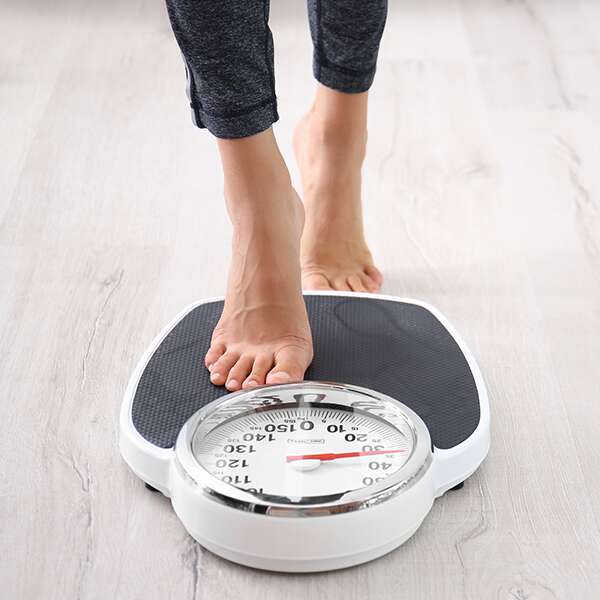
1. Measure and Watch The Weight.
Keeping track of your body weight on a daily or weekly basis will help you see what you’re losing and/or what you’re gaining.
2. Limit Unhealthy Foods and Eat Healthy Meals
Do not forget to eat breakfast and choose a nutritious meal with more protein and fiber and less fat, sugar, and calories. For more information on weight-control foods and dietary recommendations, please check the following: website, tips, and programs that supplement your diet.
3. Take Multivitamin Supplements
Taking a daily multivitamin tablet to ensure adequate nutritional levels is a smart idea, especially if you don’t have a range of veggies and fruits at home. Many micronutrients, such as vitamins A, B6, B12, C, D, and E, as well as zinc, iron, copper, selenium, and magnesium, are essential for your immune system. However, there is presently NO proof that adding vitamins or “wonder mineral supplements” to your diet can help protect you against the illness or speed up your recovery. High vitamin dosages might be harmful to your health in some situations.
4. Drink Water and Stay Hydrated, and Limit Sugared Beverages
Drink plenty of water to keep healthy, but there is no evidence that doing so often (e.g., every 15 minutes) will help avoid viral infections. For more information about drinking water check the benefits of drinking water, and drinking hot water precautions.
5. Exercise Regularly and Be Physically Active
At this time, at-home workouts may be a good idea. But you can also walk your dog or run outside. Be sure you know what’s going on in your area and if there are any restrictions or mandatory self-quarantines. For more information on how to stay physically active while at home, please check the ACSM article and the benefits of exercising.
6. Reduce Sitting and Screen Time
Exercise will not protect you from your sedentary lifestyle. Even persons who frequently exercise may be at greater risk for diabetes, heart disease, and stroke if they spend a lot of time sitting in front of computers. Practically, you may try taking sedentary breaks, such as strolling around the office/room a couple of times each day.
7. Get Enough Good Sleep
Sleep quality and amount have a strong relationship with your immune system. Get seven to eight hours of sleep each night to maintain your immune system operating correctly. Please check the benefits of enough sleep and how to solve sleep problems.
8. Go Easy on Alcohol and Stay Sober
Drinking alcohol does not protect you from coronavirus infection. Don’t forget that those alcohol calories can add up quickly. Alcohol should always be consumed in moderation. Please see the recommendations.
9. Find Ways to Manage Your Emotions
It is common for people to have feelings of fear, anxiety, sadness, and uncertainty during a pandemic. To minimize stress-related weight gain, you use this information about stress and coping provided by the CDC. Alo look at stress management tips discussed on this website.
10. Use an App to Keep Track of Your Movement, Sleep, and Heart Rate
A reminder: People with serious chronic medical conditions, including extreme obesity, diabetes, and heart disease are at a higher risk of experiencing complications and getting very sick from the COVID-19 infection. They should talk to their medical providers and listen to their advice
Thank you